Managing monthly expenses has become an essential part of modern financial life. Electricity charges, mobile recharges, internet fees, subscriptions, and other utilities arrive with fixed deadlines, and missing even one payment can create unnecessary stress. A bill payment app offers a structured and reliable way to manage these obligations from a single platform. With increasing adoption of digital payments and attractive upi offer options, users now expect convenience without complications.
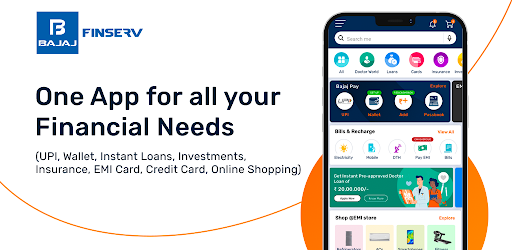
This article explains how a bill payment app helps organize finances, reduce late payments, and create a smoother monthly routine. It also explores how smart usage habits can turn everyday bill payment into a more controlled and predictable process.
Understanding the Need for Digital Bill Payments
Traditional bill payment methods often involve remembering due dates, visiting service centers, or switching between multiple platforms. These steps consume time and increase the chance of delays. A bill payment app addresses these challenges by centralizing payments and providing clear visibility into upcoming obligations.
Digital payments have shifted from being optional to becoming a practical necessity. With a single app, users can manage multiple services without repeating the same steps every month. This shift also allows better tracking of expenses, which is difficult with scattered payment methods.
What Is a Bill Payment App?
A bill payment app is a digital tool designed to help users pay recurring and one-time bills using online payment methods. It supports utility payments, subscriptions, and service charges through a unified interface. Instead of managing each bill separately, users can view, schedule, and complete payments in one place.
These apps also integrate payment systems that allow faster transactions. Many users prefer this method because it reduces dependency on physical receipts and manual reminders.
Key Features That Improve Monthly Payments
Centralized Bill Management
One of the strongest advantages of a bill payment app is centralization. All bills appear on a single dashboard, allowing users to see what is due, what has been paid, and what is upcoming. This clarity reduces confusion and improves planning.
Automated Reminders
Forgetting a due date can lead to penalties or service interruptions. Automated reminders notify users before the payment deadline, giving them enough time to act. This feature supports consistent bill payment habits and prevents last-minute stress.
Quick Payment Processing
Digital transactions through a bill payment app are processed quickly. Payments can be completed within minutes, eliminating the need for physical visits or delayed confirmations.
Role of UPI in Simplifying Payments
Unified payment systems have made digital transactions easier and more accessible. A bill payment app that supports UPI enables users to authorize payments instantly without entering extensive details.
An added benefit is the availability of a upi offer during bill payment transactions. These offers encourage users to adopt digital payment methods while reducing overall monthly expenses. Over time, such incentives contribute to better financial efficiency.
How a Bill Payment App Supports Financial Discipline
Expense Tracking
Every bill payment made through the app is recorded automatically. This creates a digital history that users can review to understand spending patterns. Over time, this data helps identify areas where costs can be controlled.
Budget Planning
When monthly expenses are visible in one place, budgeting becomes easier. Users can estimate upcoming payments and allocate funds accordingly. A bill payment app supports this process by presenting clear summaries without unnecessary complexity.
Reduced Cash Dependency
Digital payments reduce reliance on cash transactions. This improves transparency and simplifies record-keeping, especially for users managing multiple household expenses.
Security and Reliability in Digital Bill Payments
Security is a primary concern when handling financial transactions. A bill payment app typically uses encryption and verification layers to protect user data. Secure authentication methods ensure that only authorized users can complete transactions.
Users should also follow safe practices such as setting strong authentication preferences and monitoring transaction history. When used responsibly, digital bill payment platforms offer a secure alternative to traditional methods.
Accessibility Across Devices
Most bill payment apps are designed to work across smartphones and tablets. This allows users to manage payments from anywhere, whether at home or while traveling. Accessibility ensures that bill payment does not depend on location or time constraints.
This flexibility is particularly useful for users who manage multiple accounts or assist family members with their payments.
Common Mistakes to Avoid While Paying Bills Digitally
Even with advanced tools, mistakes can occur. Some common issues include ignoring reminders, rushing through payment confirmations, or not reviewing transaction summaries. Users should always verify payment details before completing a transaction.
Another mistake is overlooking available upi offer options. Reviewing offers before confirming a bill payment can result in small but consistent savings over time.
Choosing the Right Bill Payment App
While features may vary, users should focus on ease of use, payment reliability, and clear transaction records. A simple interface often improves consistency in bill payment behavior.
It is also important to ensure that the app supports all major utility categories. This avoids the need to switch between platforms and maintains a smooth payment routine.
The Future of Bill Payments
As digital infrastructure continues to grow, bill payment apps will play a larger role in personal finance management. Future improvements are likely to focus on smarter reminders, better expense insights, and smoother payment authorization.
With increased awareness and better tools, bill payment is becoming less of a monthly task and more of an automated routine that works quietly in the background.
Conclusion
A bill payment app is more than just a convenience tool. It provides structure, visibility, and control over recurring expenses. By simplifying bill payment and integrating digital transaction methods, users can manage monthly obligations with greater confidence.
The inclusion of digital payment systems and occasional upi offer benefits adds further value, making routine payments more efficient. When used consistently, a bill payment app supports better financial habits, reduces missed deadlines, and creates a more organized approach to monthly expenses.
Adopting a digital method for bill payment is a practical step toward smoother financial management and long-term stability.